




Safety Newsletter
Featured Project

Construction work is physically demanding and often takes place in harsh and strenuous environments and these circumstances can easily lead to heat stress and dehydration. For construction workers, who perform strenuous physical tasks daily, adequate hydration is essential for maintaining physical performance and endurance while also playing a critical role in ensuring cognitive clarity and overall safety on job sites.
Dehydration reduces blood volume, putting strain on the heart to pump blood, which can lead to increased heart rate and fatigue and in extreme cases, can result in heat exhaustion or heat stroke. With symptoms like dizziness, confusion, and muscle cramps, dehydration can also lead to falls or other accidents on a site where heavy machinery and elevated platforms are common. Proper fluid balance helps maintain muscle elasticity and joint lubrication and when muscles are well-hydrated, they are less prone to cramping and strain, which directly translates to enhanced endurance and stamina on the job site.
A lack of adequate fluids can lead to diminished concentration, slower reaction times, and impaired decision-making capabilities. This presents a preventable safety hazard for a job that requires constant vigilance and the ability to quickly respond to unexpected hazards. These cognitive impairments can be detrimental and endanger the dehydrated individual as well as those around them.
Maintaining optimal hydration is essential for enhancing endurance, boosting work performance, and ensuring the safety of our crews. To read more about the importance of hydration here.
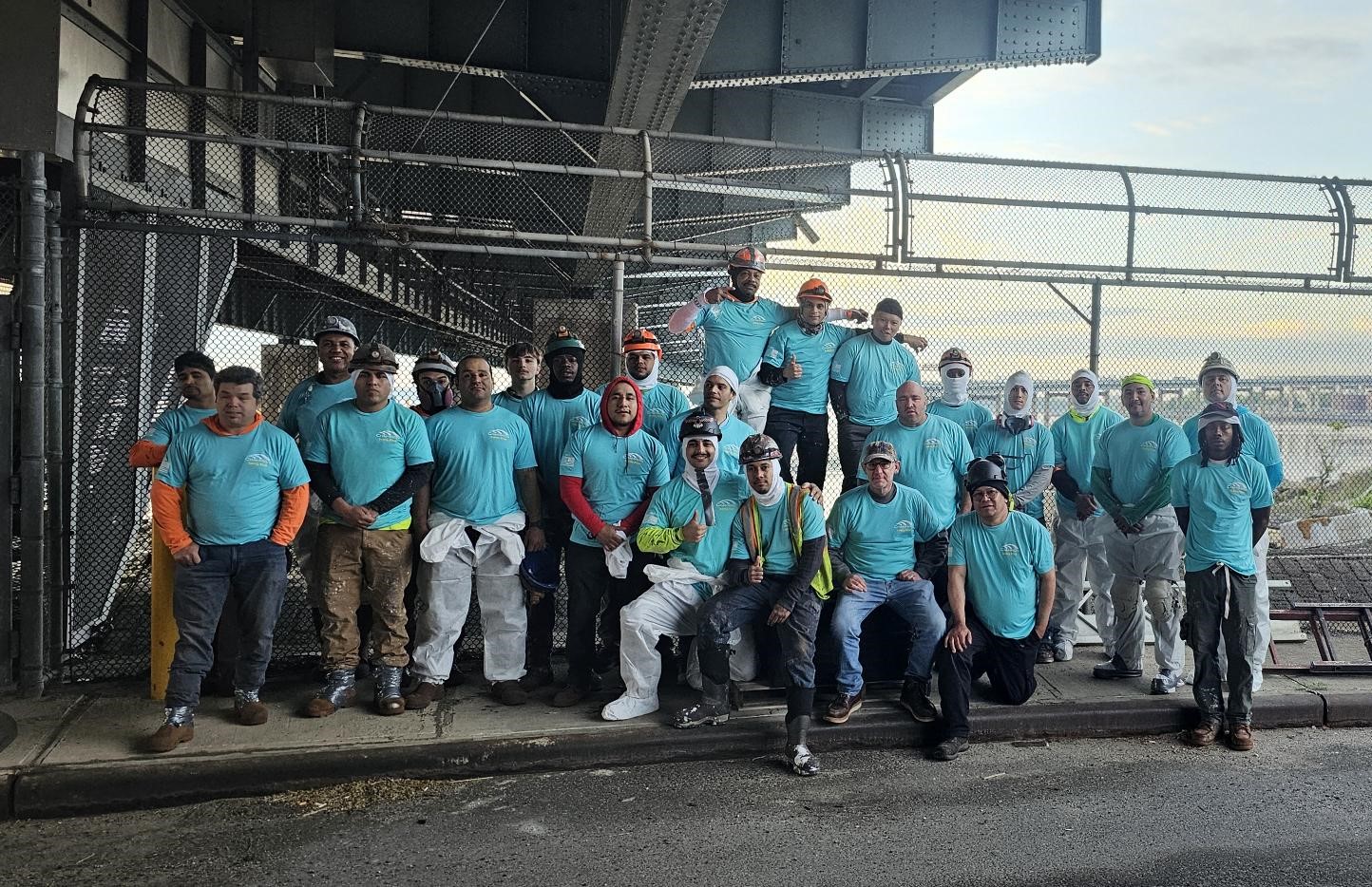
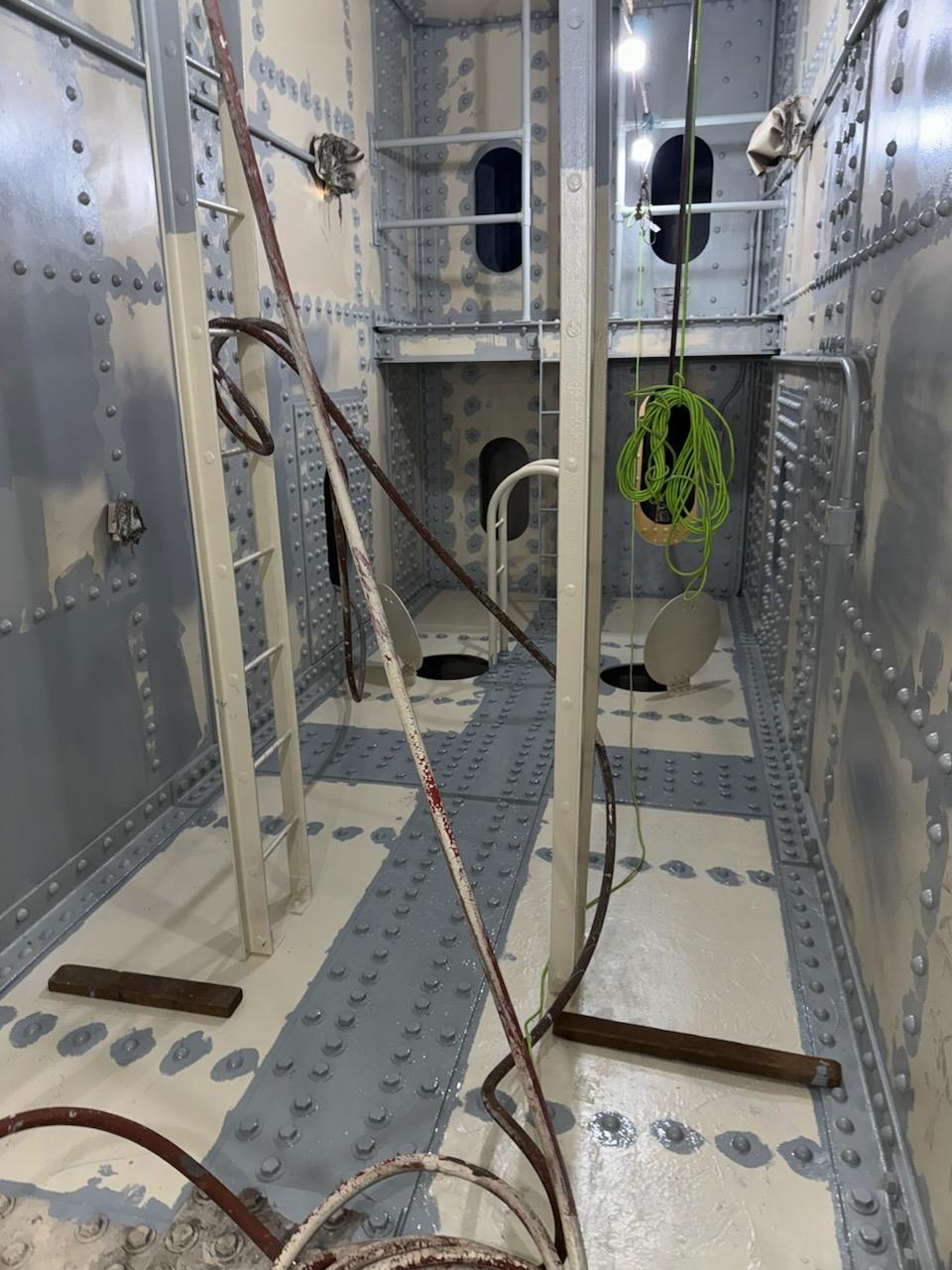
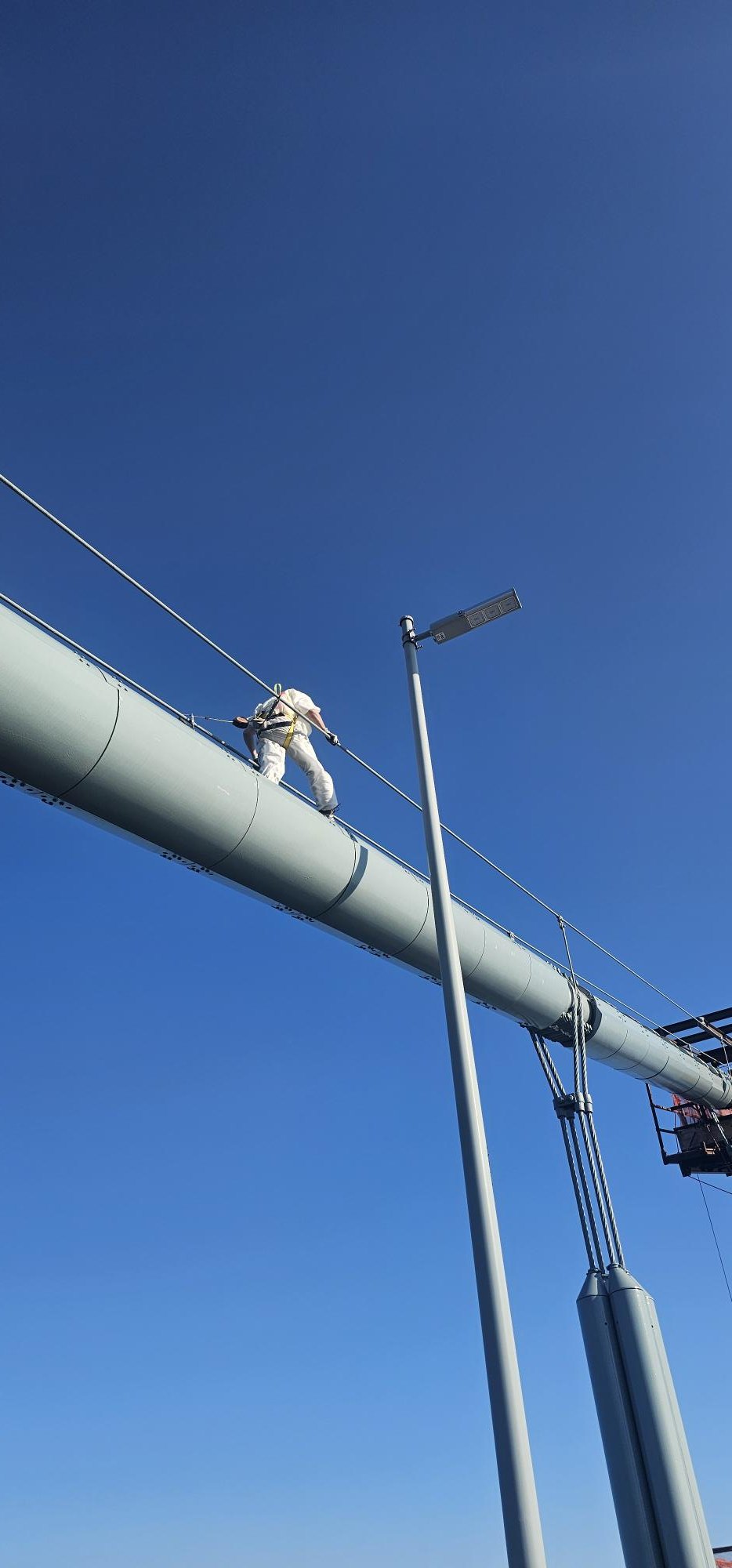
Congratulations to Throgs Neck Bridge Crew, our September Crew of the Month! This team has been tackling one of Champion’s most challenging projects to date, which covers 720,000 square feet of structural steel including both interior and exterior bridge towers as well as the suspended cables. This crew has successfully completed the abrasive blasting phase and are now continuing on to the priming and painting phase of the project.
This crew has overcome challenges, including high lead environments, tight tower spaces, extreme heights, and extreme weather exposure in the summer heat. On top of those challenges, this project’s logistics are challenging as well with all blasting, vacuuming, and air-moving equipment and paint being staged, operated, and maintained from a barge at the base of the towers.
This crew not only performed exceptional work under some of the toughest working conditions imaginable but did so with zero OSHA recordables. Their success is a testament to their skill, teamwork, and commitment to Champion’s safety-first culture. A big congratulations and thank you to the entire team and crew members listed below for their outstanding effort and commitment. Your hard work truly represents Champion’s exceptional standards.


